
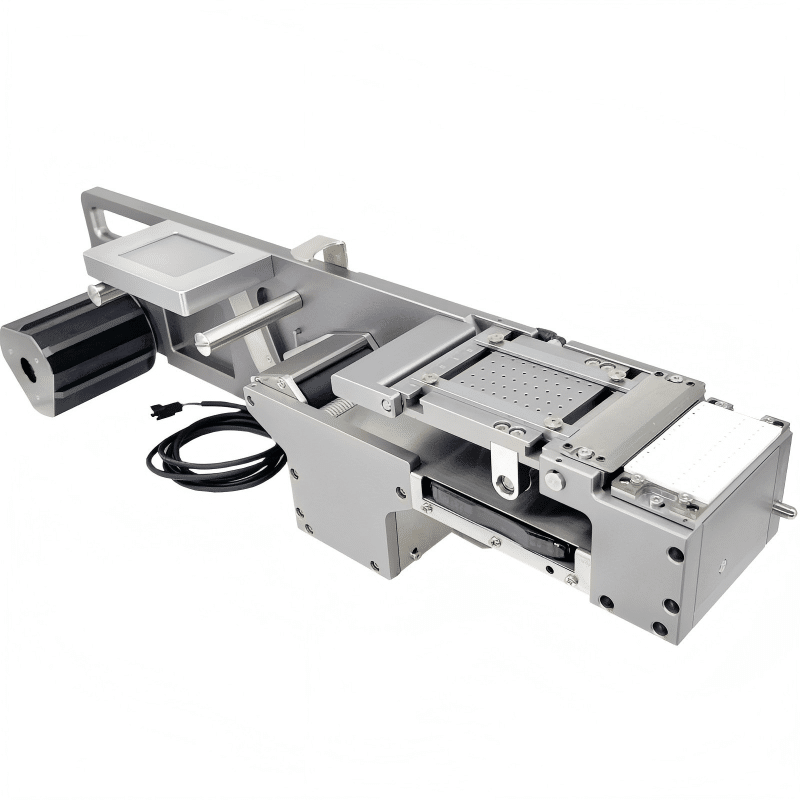
In SMT production, a label may look like a small and simple material. But when you need to feed it automatically through a pick and place machine, things can get more complicated.
The label itself, its backing paper, cutting depth and feeder compatibility all affect the feeding process.
I’ve seen customers encounter problems that were not caused by the feeder itself. Sometimes, the label material or its converting process was the real issue.
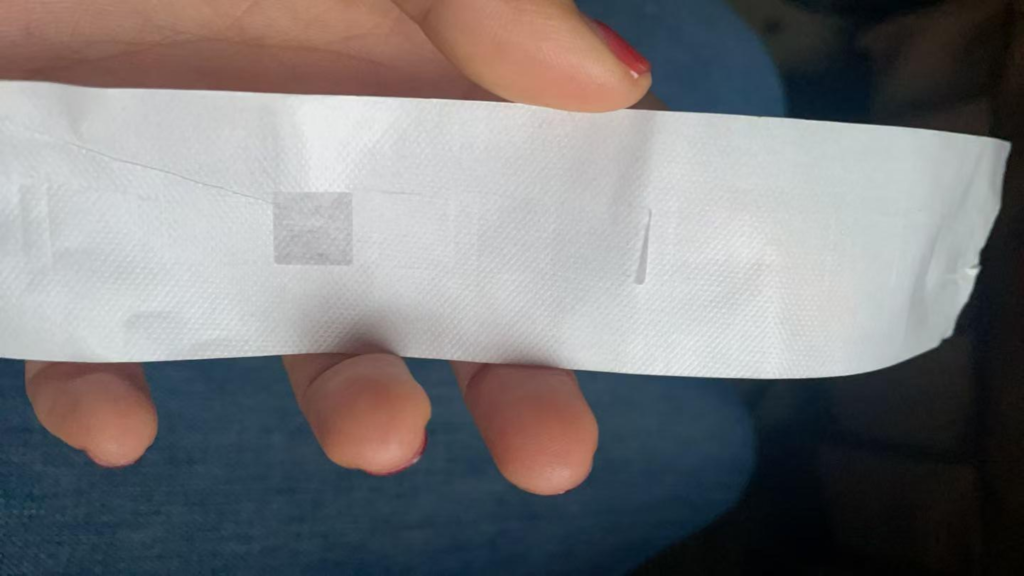
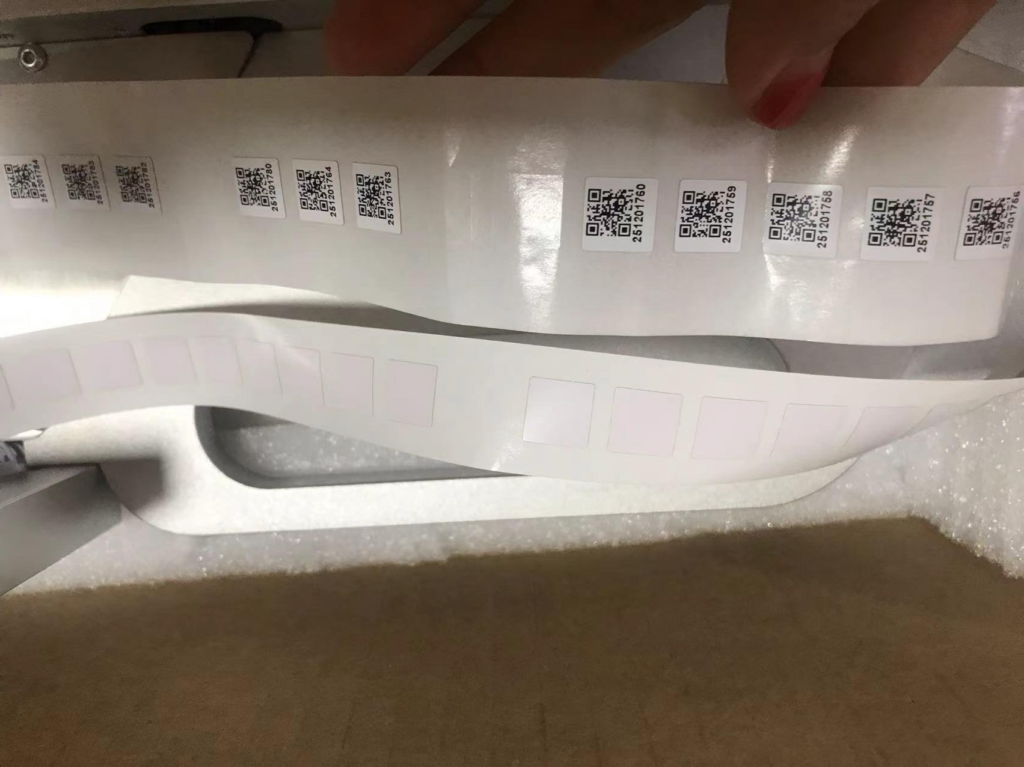
For example, one common problem is that a label is cut too deeply during manufacturing. Instead of separating cleanly from the backing paper, it remains attached to the liner. The placement nozzle then struggles to pick it up.
So, before choosing an SMT label feeder, I recommend looking at the complete feeding process, not just the machine.
In this guide, I’ll explain the key factors engineers and purchasing teams should check when planning an automatic SMT label feeding application.
1. Understand the Structure of an SMT Label
Before discussing the feeder, let’s look at the label itself.
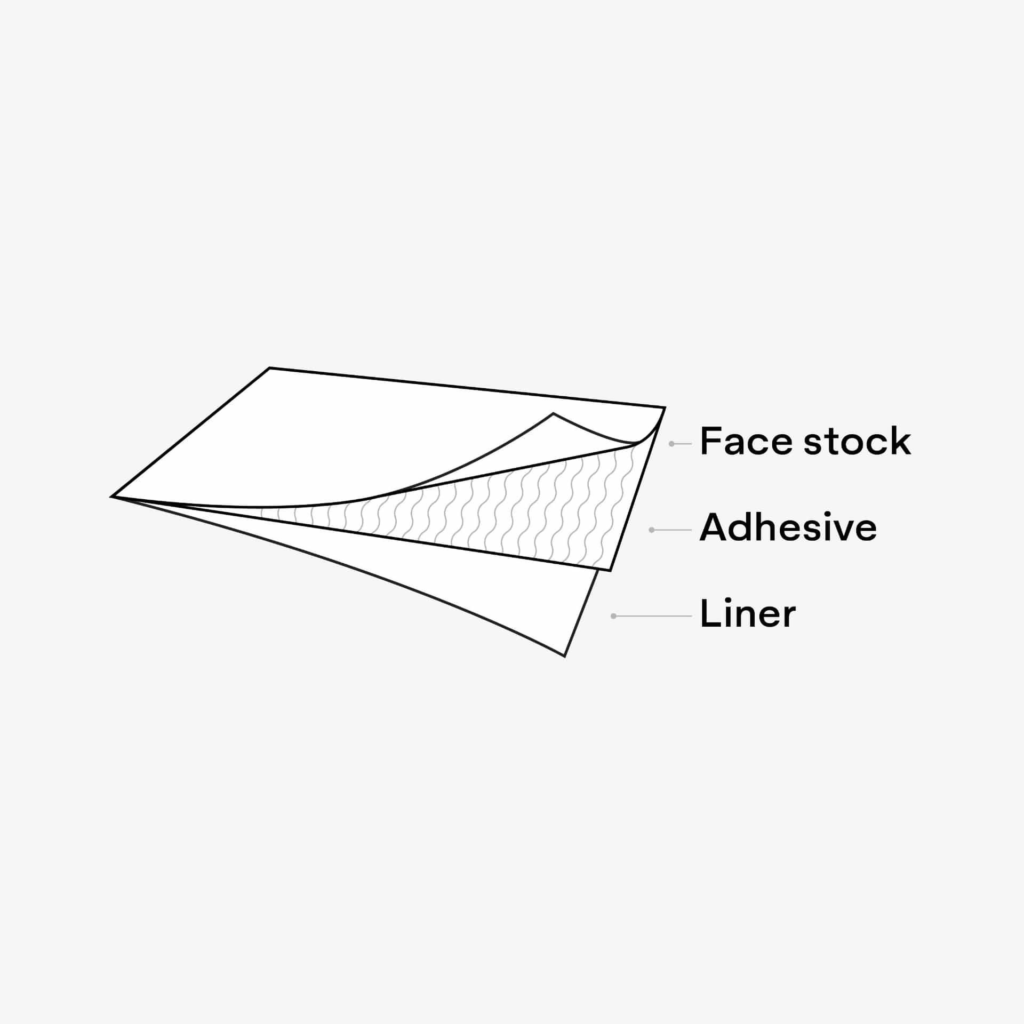
A typical self-adhesive label consists of several layers:
- Face Material: The top material that carries printed information, such as a barcode, QR code or identification number.
- Adhesive Layer: The adhesive that allows the label to stick to the PCB or another surface.
- Release Liner (Backing Paper): The bottom layer that protects the adhesive before application.
These layers work together, but each has a different role during automatic feeding.
The face material needs to maintain its shape during feeding and pickup. The adhesive should provide suitable bonding after placement. The release liner needs to support the label before it reaches the peeling position.
For SMT applications, the label structure should also match the feeder’s feeding and peeling requirements.
A label that works well when applied manually does not automatically mean it will work well in an SMT feeder.
2. Why Label Cutting Depth Matters
This is one of the details I think engineers should pay more attention to.
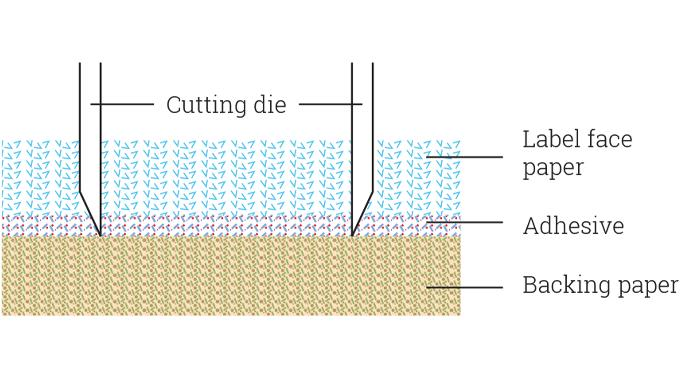
When labels are manufactured, the cutting process must separate the label material without damaging the release liner.
If the cutting depth is too deep, the label may become difficult to separate from the backing paper.
What happens next?
- The label strip moves forward.
- The feeder reaches the peeling position.
- The label does not separate cleanly from the backing paper.
- The label remains attached to the liner.
- The placement nozzle cannot pick it up correctly.
This can result in missed pickups, unstable feeding or production interruptions.
How to Check the Cutting Quality
Before mass production, I recommend checking a sample roll.
Pay attention to these points:
- Is the label completely cut around its intended shape?
- Is the release liner damaged by the cutting process?
- Can the label separate smoothly from the backing paper?
- Does the label remain flat after peeling?
- Does the label maintain a stable position at the pickup point?
Don’t rely only on the label drawing or nominal dimensions. Test the actual label roll whenever possible.
A small difference in cutting depth can make a big difference in automatic feeding.
If you are already experiencing label pickup or feeding problems, see our practical guide:
SMT Label Feeder: Common Problems and Solutions
3. Release Liner: A Small Detail That Affects Feeding Stability
The release liner is not just packaging material. It plays an important role in the feeding process.
During operation, the feeder moves the label strip forward and separates the label from its backing paper.
If the backing paper is unsuitable for the feeder configuration, the peeling process may become unstable.
Here are some points worth checking:
Width
The bottom paper width must match the feeder’s applicable material range.
Material and Thickness
Different backing paper materials and thicknesses may behave differently during feeding and peeling.
Release Performance
The label should separate from the liner smoothly without excessive resistance.
Cutting Quality
The die-cutting process should separate the label without unnecessarily cutting into the release liner.
For customized applications, I prefer checking the real material instead of confirming everything from a drawing.
4. How Does an SMT Label Feeder Work?
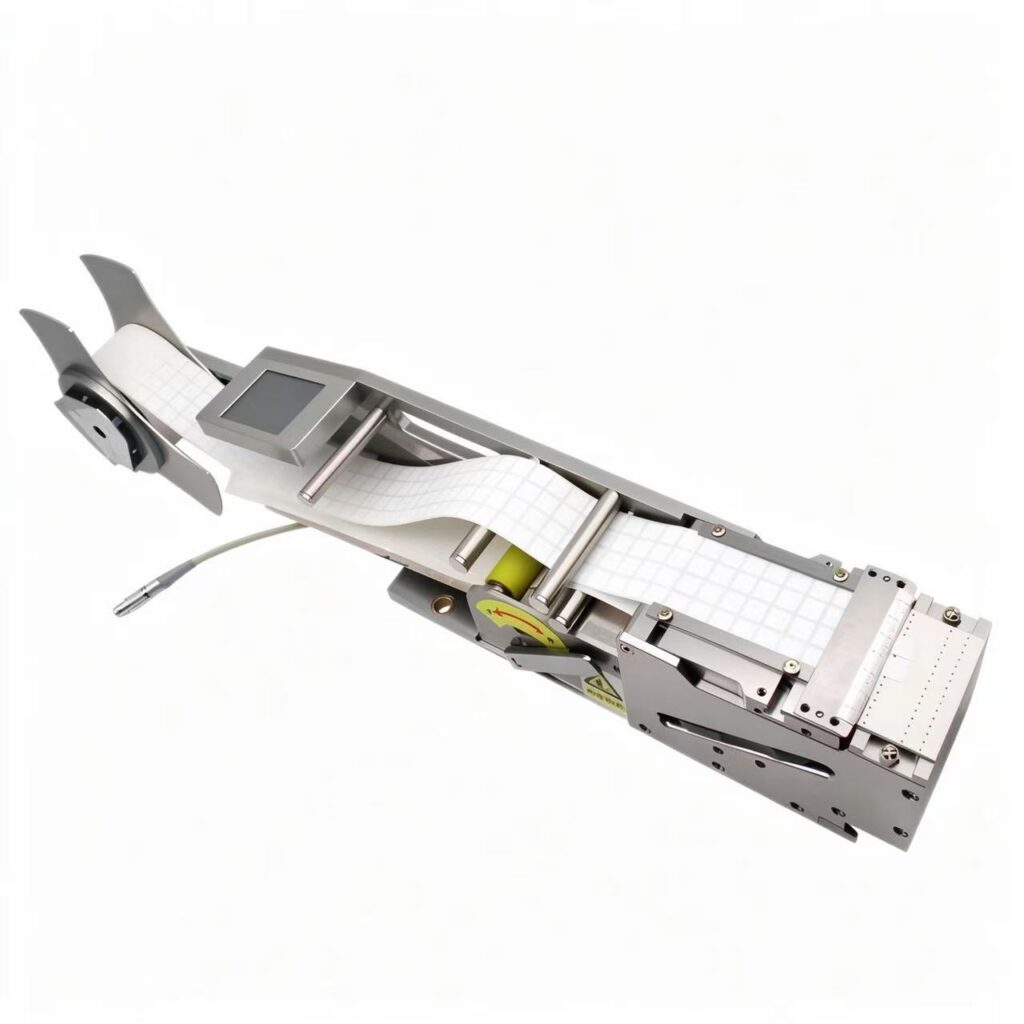
An SMT label feeder is designed to deliver labels to a fixed pickup position so that the placement head can pick them up.
The feeding process can be divided into several steps.
Step 1: Receive the Machine Command
The feeder receives a feeding command from the pick and place machine.
Step 2: Move the Label Strip Forward
The MCU controls the stepping motor to move the label strip forward according to the preset feeding distance.
Step 3: Peel the Label
The label separates from its backing paper during the peeling process.
Step 4: Check the Feeding Position
The photoelectric sensor checks the label position and helps detect material shortage or feeding jams.
Step 5: Deliver the Label for Pickup
The separated label reaches the fixed pickup window.
The placement head then picks up the label for placement on the PCB.
The key point is simple: the label needs to be separated properly and delivered to a stable pickup position before the placement head can work correctly.
5. Machine Compatibility: Why One Label Feeder Cannot Fit Every SMT Machine
This is another important point when selecting an SMT label feeder.
Many purchasing teams ask:
“Can I use one label feeder for Panasonic, Yamaha and FUJI machines?”
The answer is no, not with one universal feeder configuration.
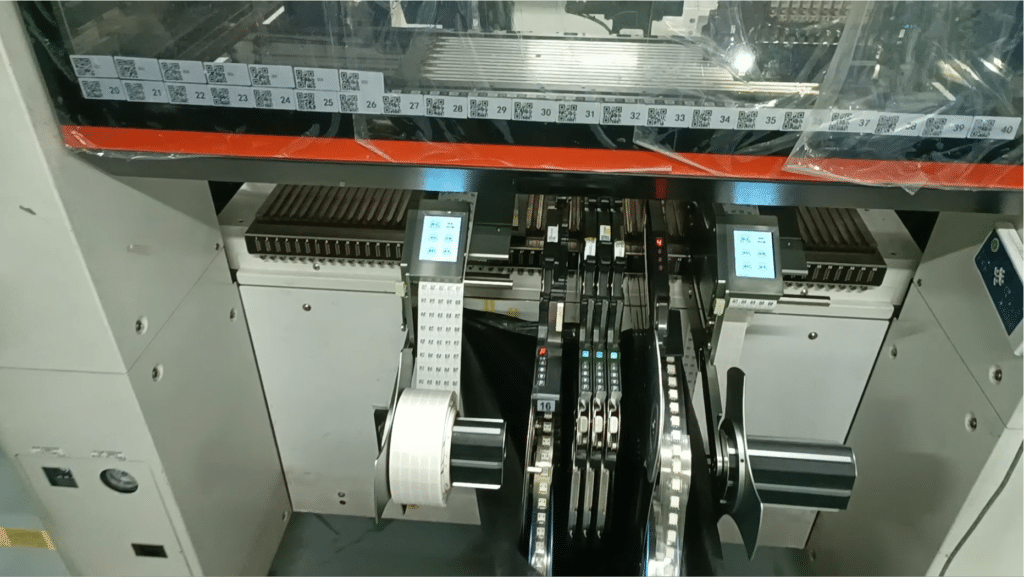
Different pick and place machine platforms may have different:
- Feeder base heights
- Mechanical interfaces
- Communication requirements
- Feeding control methods
The feeder must match the machine platform.
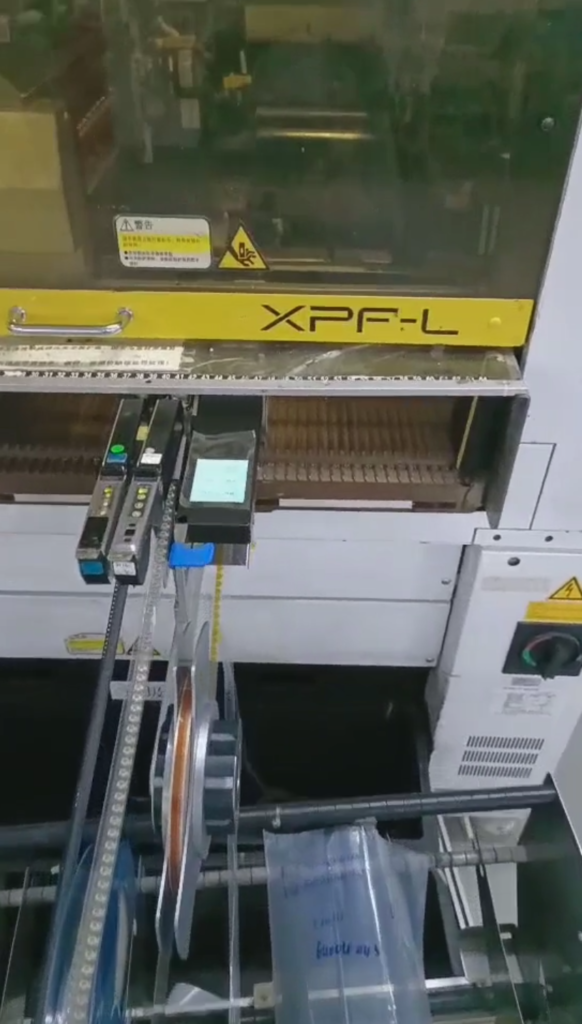
Example 1: FUJI NXT and XPF
According to our compatibility information, FUJI NXT and XPF machines can use the same label feeder version because their feeder base height and communication requirements are the same for this application.
Example 2: ASM SIPLACE D Series and SX Series
These two platforms cannot share the same label feeder version in the application described here.
The feeder base heights are different:
| Machine Platform | Feeder Type | Feeder Height |
|---|---|---|
| ASM SIPLACE SX | X Feeder | 178 mm |
| ASM SIPLACE D | D Feeder | 100 mm |
Their communication requirements are also different.
This is why machine compatibility should always be confirmed before ordering.
Don’t select a feeder simply because the brand name looks familiar. Check the exact machine model and feeder interface.
6. Label Size and Material: What Should Engineers Check?
Not all SMT label applications use the same material or dimensions.
Some factories use small identification labels, while others need larger labels, protective films or special adhesive materials.
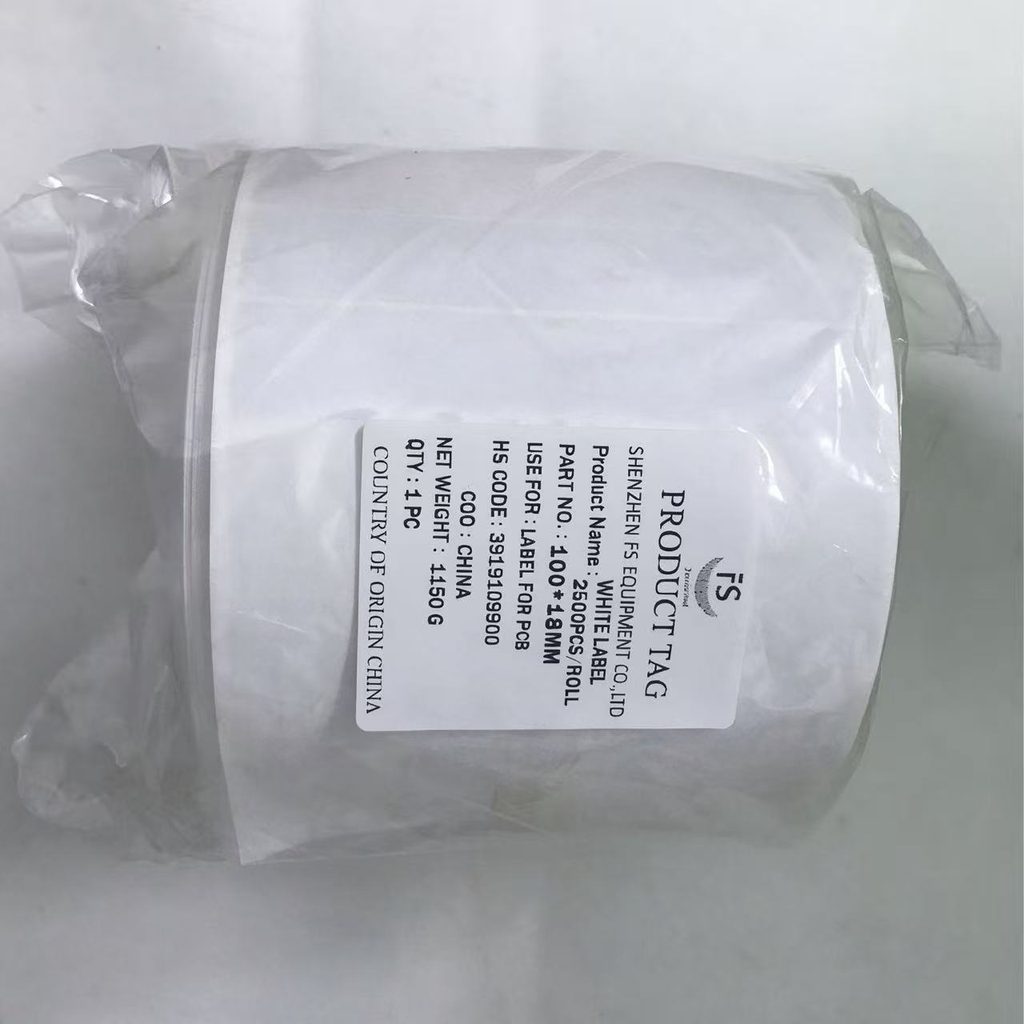
Here is an example of a label application we have worked with:
| Item | Specification |
|---|---|
| Label Material | PET |
| Label Size | 100 × 18 mm |
| Bottom Paper Width | 110 mm |
| Arrangement | Single Column |
| Label Color | White Blank |
| PET Temperature Rating | 395°C for 30 seconds |
This is a specific application example, not a universal specification for all label feeders.
When checking a new application, I recommend collecting the following information:
- Label length and width.
- Bottom paper width.
- Label material.
- Label arrangement, such as single-column or multi-row.
- Label shape and cutting structure.
- A real label sample or clear photograph.
These details help determine whether the standard feeder configuration is suitable or whether a customized solution needs to be evaluated.
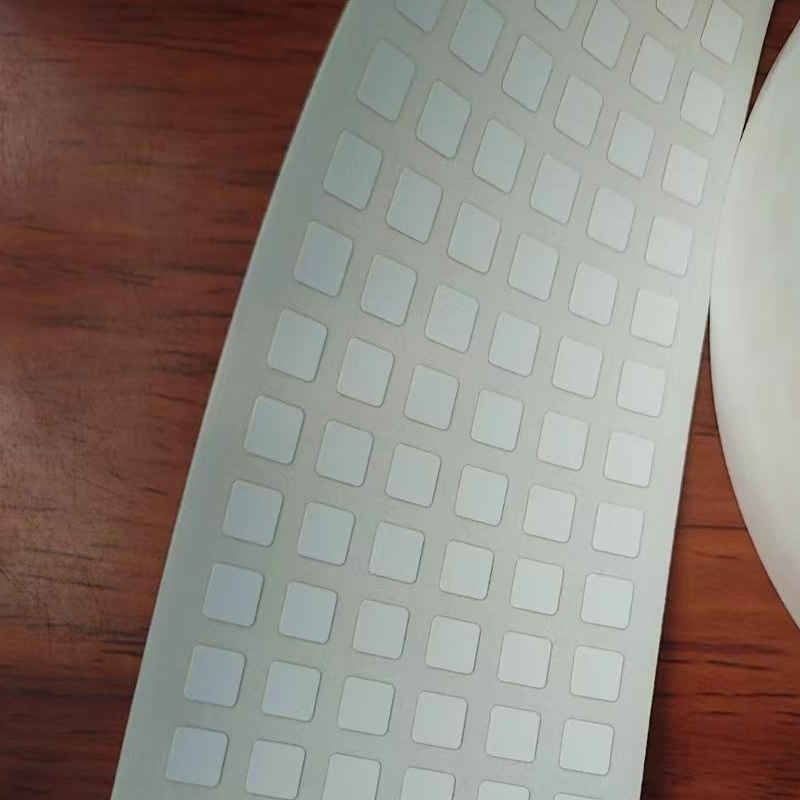
7. Custom High-Temperature Labels and Printing Services for SMT Production
Besides supplying SMT label feeders, we also provide customized high-temperature labels for different PCB assembly applications.
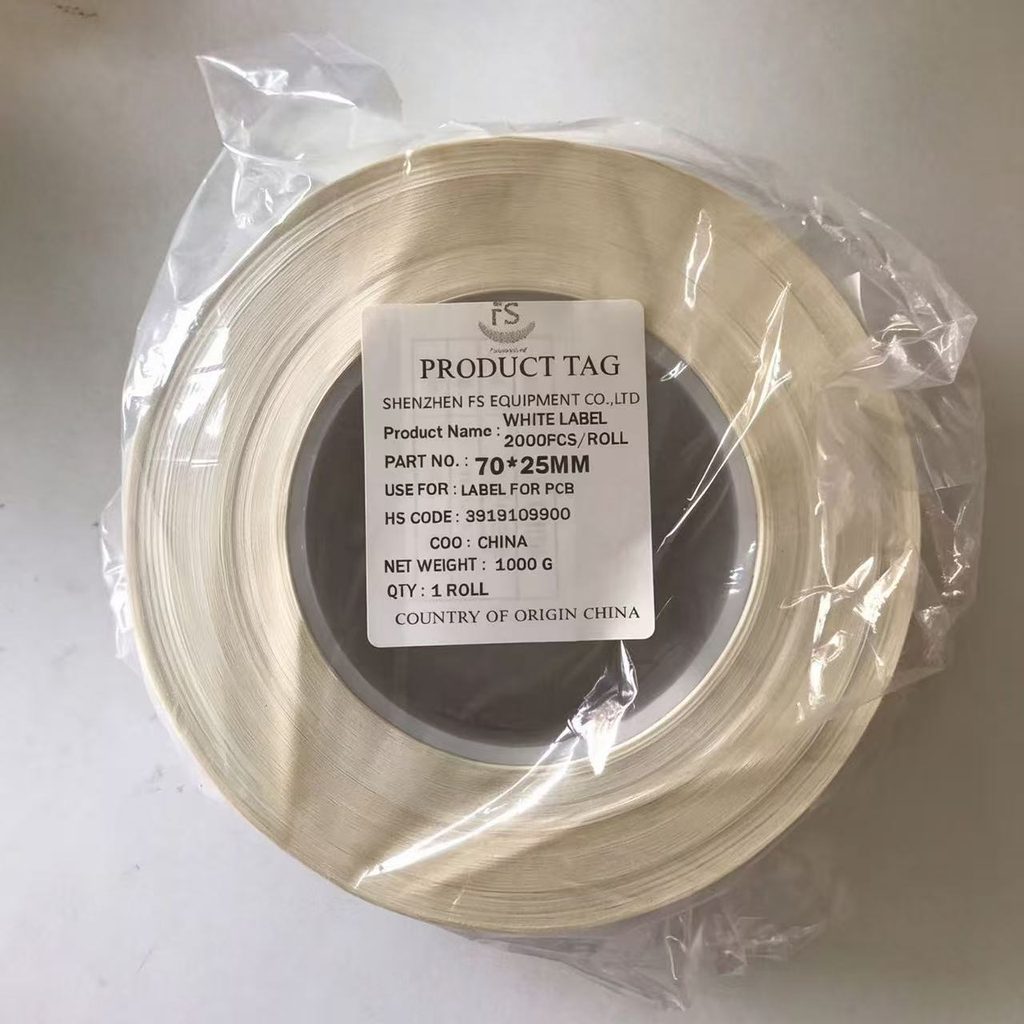
We can produce labels in various sizes according to customer requirements, including:
- 100 × 18 mm
- 70 × 25 mm
- 10 × 10 mm
- 4 × 4 mm
- Other customized sizes
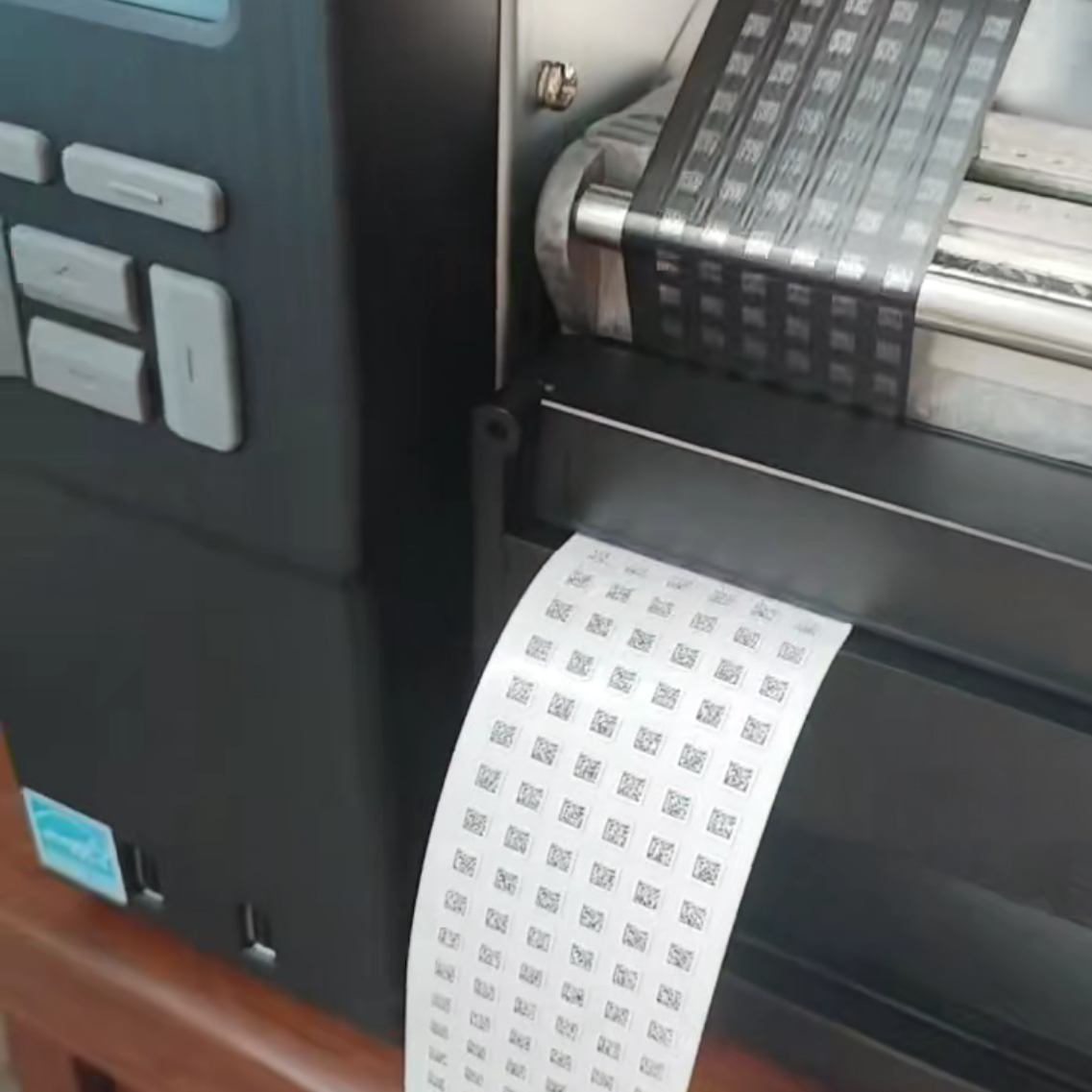
Some customers also face difficulties printing very small labels with their existing label printers. For example, printing a 4 × 4 mm label can be challenging, especially when clear and accurate printing is required.
To make things easier, we can provide a label printing service. Customers can send us their label design and printing requirements, and we can print the labels and supply them together with the label feeder.
This means customers receive ready-to-use labels without needing to handle the printing process themselves.
Our customized label services include:
- Custom label sizes and shapes
- High-temperature label materials
- Customized label printing
- Labels supplied together with SMT label feeders
If you have special label requirements or difficulties printing small labels, feel free to contact us. We can discuss the label specifications and printing requirements for your application.
8. What About Special Labels and Materials?
Some SMT applications involve more than standard rectangular paper labels.
Depending on the feeder configuration, possible applications include:
- Paper labels
- Protective films
- Foam materials
- Double-sided adhesive materials
- Conductive adhesive
- Copper foil
- Steel sheets
- Reinforcement plates
However, not every material can be fed successfully using the same setup.
Material thickness, flexibility, shape, adhesive properties and release liner structure all need to be considered.
For special-shaped labels or unusual materials, I recommend testing the actual sample before confirming the final feeder configuration.
The same applies to the pickup nozzle. Some applications may require a customized nozzle according to the label shape and pickup surface.
9. What Should You Confirm Before Buying an SMT Label Feeder?
If you’re an SMT engineer or purchasing manager, here is a practical checklist.
| Checkpoint | Information to Prepare |
|---|---|
| Machine Compatibility | Brand and exact machine model |
| Feeder Interface | Corresponding feeder base and communication |
| Label Dimensions | Length and width |
| Backing Paper | Width and material |
| Label Structure | Face material, adhesive and release liner |
| Label Arrangement | Single-column or multi-row |
| Pickup Requirements | Label shape and suitable nozzle |
| Sample Testing | Actual label roll or sample |
I would rather check these details before production than discover a compatibility or feeding problem after the feeder arrives.
For customized projects, a sample roll is especially useful.
10. Choosing the Right SMT Label Feeder for Your Production Line
There is no single feeder configuration that suits every SMT machine and label application.
The right solution depends on two main factors:
First, machine compatibility.
The feeder must match the pick and place machine’s mechanical and communication requirements.
Second, label compatibility.
The label dimensions, backing paper, material and peeling characteristics must suit the feeding process.
If both conditions are confirmed, the feeder can deliver labels to the pickup position for automatic placement.
If you’re looking for a label feeding solution, you can explore our products here:
Each product page provides more information about its corresponding feeder application.
11. Frequently Asked Questions
Q1: Why does a label sometimes stick to the backing paper instead of peeling off?
One possible reason is incorrect cutting depth during label manufacturing. If the label is not properly separated from the backing paper, it may remain attached to the liner during feeding.
Check the die-cutting quality and test the actual label sample.
Q2: Can one SMT label feeder work with different machine brands?
Not necessarily. Different machine platforms may require different feeder base heights, mechanical interfaces and communication requirements.
Always confirm the exact machine model before ordering.
Q3: Can FUJI NXT and XPF use the same label feeder?
Yes, Their feeder base height and communication requirements are the same.
Q4: What label information should I provide when requesting a quotation?
Please provide the machine model, label dimensions, bottom paper width, label material, arrangement and a sample photo.
A physical sample is even better for special applications.
Q5: Can an SMT label feeder handle special-shaped labels?
Some customized applications can be supported, depending on the label material, shape, dimensions and feeding conditions. The actual label sample should be checked before confirming the solution.
Final Thoughts
Automatic SMT label feeding is not only about choosing a feeder.
The label structure, cutting depth, backing paper and machine compatibility all affect the final feeding result.
From my experience, checking the actual label sample and machine platform before ordering can help avoid many unnecessary problems during production.
If you’re planning an SMT label feeding project, feel free to share your machine model and label specifications with us.
We’ll help you check the application and find a suitable feeding solution.
Need help with your SMT label feeding project? Contact SMTnova to discuss your machine compatibility and label requirements.
